




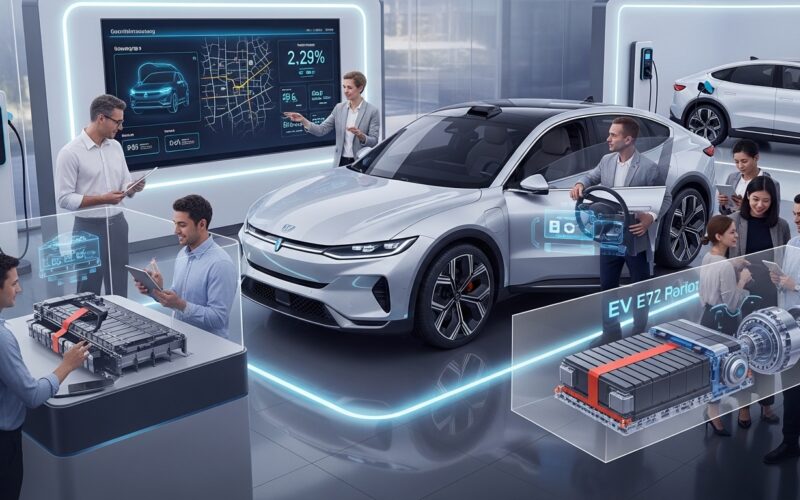
Electric vehicles (EVs) are not only redefining the future of transportation but also revolutionizing the car-buying experience. The process is evolving rapidly, spurred by changing consumer expectations, technological innovation, and fresh approaches to automobile sales. For those eager to dive deeper into this shift, Learn more about how dealerships and brands are adjusting to these changes.
Modern car buyers now encounter a landscape where options are plentiful, information is accessible, and customer satisfaction is paramount. This dynamic environment is the result of new business models, robust federal incentives, and a significant push to educate consumers about the advantages and realities of EV ownership. Not only are buyers better informed, but they’re also more confident in their decisions, and that confidence is reflected in their overall satisfaction with the buying process.
As the auto market transitions from traditional internal combustion engine vehicles to sophisticated EVs, the entire car-buying journey is being reimagined. EVs are at the forefront of this transformation, offering digital experiences and transparent pricing that buyers have come to expect across modern retail landscapes. This shift is occurring globally as other countries accelerate EV production and adoption, further influencing American consumer preferences and industry practices.
Enhanced Buyer Satisfaction
Recent industry research points toward a significant increase in buyer satisfaction among those opting for electric vehicles. In a comprehensive 2024 study by Cox Automotive, 82% of EV buyers reported high levels of satisfaction with their purchase experience, compared to 75% of buyers who chose traditional vehicles powered by internal combustion engines. Key factors driving these positive perceptions include clarity about costs, transaction speed, and simplified paperwork. By embracing streamlined digital tools and transparent pricing, EV dealers deliver an experience that better fits modern consumer expectations.
The Role of Digital Tools
The rise of EVs coincides with the integration of sophisticated digital platforms throughout the car-buying process. Almost all buyers conduct some form of online research before stepping into a dealership, according to industry data. For EV shoppers, 68% spend even more time online, evaluating vehicles, reading reviews, and comparing models and features. This digital-first mindset underscores the need for well-designed, informative websites, virtual showrooms, and detailed educational content to help shoppers make informed decisions. Automakers and dealers who invest in seamless online experiences and in the adoption of support tools are winning customer loyalty from the outset.
Direct-to-Consumer Sales Models
Brands like Tesla have proven the efficacy of selling EVs directly to the public, setting themselves apart from the traditional dealership model. This approach minimizes friction in the buying process, offering buyers more control, transparency, and the ability to customize their vehicles online. However, these benefits are not without hurdles. Direct sales in several states are facing legal pushback due to existing franchise laws established decades ago to protect local dealerships. As legacy automakers and newer startups consider similar models, ongoing legal and regulatory debates continue to shape how EVs reach consumers.
Addressing Consumer Misconceptions
Although interest in EVs has surged, misconceptions about the category still linger. Concerns about charging-station availability, battery longevity, and total ownership costs remain common obstacles for first-time buyers. Educational programs, data-driven marketing, and third-party resources have emerged as crucial tools for dispelling these myths. For example, many potential buyers are unaware of the rapid expansion of fast-charging infrastructure across the United States. As accurate and accessible information spreads, consumer confidence and adoption rates are expected to rise.
Impact of Federal Incentives
Government incentives have long played a vital role in making EVs more affordable for American consumers. These tax incentives have spurred broader adoption and increased industry competitiveness. With federal tax credits set to expire in September 2025, many potential buyers are considering accelerated purchasing timelines to secure these financial benefits. Although removing these incentives may challenge affordability, EVs’ lower operating costs and fewer maintenance requirements remain attractive in the long term.
Global Market Dynamics
Beyond domestic shifts, the international EV market is exerting a powerful influence on car-buying habits. China’s accelerated investment in EV manufacturing and export is reshaping the global landscape, providing U.S. consumers with more options and compelling domestic brands to innovate rapidly. As supply chains become more international and competition increases, buyers gain greater choice, and manufacturers are motivated to offer smarter, more affordable vehicles that cater to a connected, eco-conscious world.
Conclusion
The transformation brought about by electric vehicles is not confined to the vehicles themselves. It touches every aspect of the car-buying journey, from the first search to final delivery. Higher satisfaction rates, the integration of digital research tools, evolving sales models, and improved consumer education all lay the groundwork for a smarter, more empowering buyer experience. As the market matures worldwide, both consumers and industry leaders will need to adapt to these ongoing changes, ensuring the promise of EVs is fully realized for everyon