




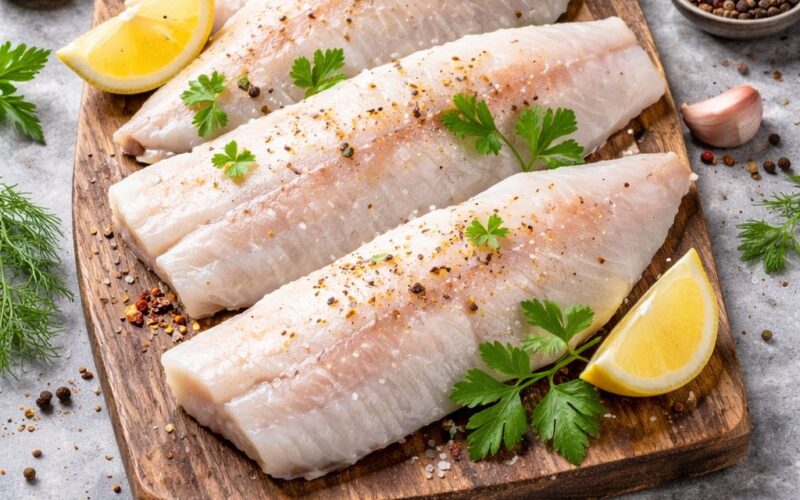
Seafood is an important part of a healthy diet. Many people look for fish that is healthy, affordable, and easy to cook. One fish that meets all these needs is Alaskan Seiti, also known as Alaska pollock. Alaskan Seiti is a mild white fish that is used in many foods around the world. It is often found in fish sticks, frozen fish fillets, and imitation crab meat. The fish is popular because it has high protein, low fat, and a soft texture. In this article, you will learn what Alaskan Seiti is, where it comes from, its nutrition, health benefits, cooking methods, and how it compares to other fish.
What Is Alaskan Seiti?
Alaskan Seiti is another name for Alaska pollock, a fish that belongs to the cod family. Its scientific name is Gadus chalcogrammus. Different countries use different names for this fish.
Common Names for Alaskan Seiti
| Name | Where It Is Used |
|---|---|
| Alaska Pollock | United States |
| Walleye Pollock | Scientific name used by fisheries |
| Alaskan Seiti | Finland and Nordic countries |
| Pacific Pollock | Global seafood markets |
This fish is similar to cod, but its taste is milder and its texture is softer.
Because there are large numbers of this fish in the ocean, it is widely used in the seafood industry.
Foods Made From Alaskan Seiti
Many common seafood products use this fish, such as:
-
Fish sticks
-
Breaded fish fillets
-
Imitation crab (surimi)
-
Frozen seafood meals
-
Fish burgers
Where Does Alaskan Seiti Come From?
Alaskan Seiti lives in cold ocean waters.
Natural Habitat
This fish is mainly found in the North Pacific Ocean.
Main Fishing Areas
-
Bering Sea
-
Gulf of Alaska
-
North Pacific Ocean
-
Coastal waters of Alaska and Russia
Distribution Around the World
| Region | Importance |
|---|---|
| Alaska (USA) | Large fishing industry |
| Russia | Major pollock fishing area |
| Japan | Large seafood market |
| North Pacific | Natural habitat |
Because the fish population is large, Alaskan Seiti is sold in many countries.
Characteristics of Alaskan Seiti
Alaskan Seiti has several physical and cooking qualities that make it popular.
Appearance
This fish has a simple and recognizable look.
Main Features
-
Long, slender body
-
Green or gray back
-
Silver sides
-
Light belly
Average Size
| Feature | Size |
|---|---|
| Length | 30–90 cm |
| Weight | 0.5–3 kg |
| Lifespan | Up to 12 years |
Taste and Texture
Many people like Alaskan Seiti because of its mild flavor.
Flavor and Cooking Quality
-
Mild taste
-
Soft white meat
-
Flaky texture when cooked
Comparison With Other Fish
| Fish | Taste | Texture |
|---|---|---|
| Alaskan Seiti | Mild | Soft |
| Cod | Slightly stronger | Firm |
| Haddock | Mild and sweet | Firm |
Because of its mild taste, the fish works well with many spices and sauces.
Nutritional Value of Alaskan Seiti
Alaskan Seiti is considered a healthy seafood choice.
Macronutrients
It provides protein while staying low in calories.
Nutrition Per 100g
| Nutrient | Amount |
|---|---|
| Calories | 70–90 |
| Protein | 16–20 g |
| Fat | Less than 1 g |
| Carbohydrates | 0 g |
This makes it a good option for healthy meals and balanced diets.
Read also: Calamariere
Vitamins and Minerals
Alaskan Seiti also contains important nutrients.
Key Nutrients
-
Vitamin B12
-
Vitamin B6
-
Selenium
-
Phosphorus
-
Potassium
These nutrients help support energy, immunity, and overall health.
Omega-3 Fatty Acids
The fish also contains omega-3 fatty acids, which are good for the body.
Omega-3 helps support:
-
Heart health
-
Brain function
-
Reduced inflammation
Health Benefits of Alaskan Seiti
Eating Alaskan Seiti can help improve overall health.
1. Supports Heart Health
Omega-3 fatty acids help protect the heart and improve blood circulation.
2. High in Lean Protein
Protein helps the body build muscles and repair tissues.
3. Helps With Weight Control
Because it is low in fat and calories, it can help people manage their weight.
4. Supports Brain Health
Vitamins and healthy fats in fish support brain function.
5. Helps Muscle Growth
Athletes and active people benefit from the protein in fish.
Summary of Health Benefits
| Benefit | Why It Helps |
|---|---|
| Heart health | Omega-3 supports the heart |
| Muscle growth | High protein |
| Weight control | Low fat and calories |
| Brain health | Vitamins and omega-3 |
Popular Uses of Alaskan Seiti in Food
One reason Alaskan Seiti is popular is that it can be used in many types of dishes.
Processed Seafood Products
Food companies use Alaska pollock to make many products.
Examples
-
Fish sticks
-
Frozen fish fillets
-
Fish burgers
-
Imitation crab meat
-
Ready-to-cook seafood meals
Fresh Cooking at Home
You can also cook Alaskan Seiti easily at home.
Common Cooking Methods
-
Baking
-
Frying
-
Grilling
-
Steaming
-
Poaching
The fish tastes great with lemon, garlic, herbs, and light sauces.
How to Cook Alaskan Seiti
Cooking Alaskan Seiti is simple and fast.
Pan-Fried Alaskan Seiti
Steps
-
Add salt and pepper to the fish.
-
Heat oil in a frying pan.
-
Cook the fish for about 3–4 minutes on each side.
This method makes the outside crispy and the inside soft.
Baked Seiti Fillets
Instructions
-
Heat the oven to 180°C (350°F).
-
Place the fish in a baking dish.
-
Add lemon and garlic.
-
Bake for 15–20 minutes.
Grilled Alaskan Seiti
Grilling gives the fish a smoky taste.
Basic Steps
-
Add spices and oil
-
Grill for 4–5 minutes on each side
-
Serve with vegetables or rice
Fish Tacos With Seiti
Alaskan Seiti also works well in tacos.
Typical ingredients include:
-
Tortillas
-
Shredded cabbage
-
Lime juice
-
Cream sauce
Sustainability and Fishing Practices
Alaskan Seiti comes from well-managed fisheries.
The Alaska pollock fishery is known as one of the most sustainable fisheries in the world.
Sustainable Fishing Practices
Fisheries follow strict rules to protect fish populations.
Important Measures
-
Catch limits
-
Scientific monitoring
-
Protection of ocean ecosystems
-
Responsible fishing methods
MSC Certification
Many products carry the MSC (Marine Stewardship Council) label.
What MSC Means
| Feature | Benefit |
|---|---|
| Sustainable fishing | Protects fish populations |
| Responsible sourcing | Reduces overfishing |
| Ocean protection | Supports marine life |
Buying MSC-certified fish helps support sustainable seafood.
How to Buy and Store Alaskan Seiti
Knowing how to buy and store fish helps keep it fresh.
Choosing Good Fish
Look for these signs when buying fish:
-
Firm white meat
-
Fresh smell
-
No discoloration
-
Proper packaging for frozen fish
Common Types in Stores
| Type | Where Found |
|---|---|
| Frozen fillets | Supermarkets |
| Breaded fish products | Grocery stores |
| Whole fish | Fish markets |
Storage Tips
Follow these tips to keep fish fresh.
Storage Guide
-
Refrigerate fresh fish and use within 1–2 days
-
Freeze fish at −18°C (0°F)
-
Do not refreeze thawed fish
Alaskan Seiti vs Other White Fish
Many people compare Alaskan Seiti with other fish types.
Fish Comparison Table
| Fish | Taste | Texture | Source |
|---|---|---|---|
| Alaskan Seiti | Mild | Soft | Wild ocean fish |
| Cod | Slightly stronger | Firm | Ocean fish |
| Haddock | Mild and sweet | Firm | Ocean fish |
| Tilapia | Neutral | Soft | Farmed fish |
Alaskan Seiti is popular because it is affordable, healthy, and widely available.
Economic Importance of Alaskan Seiti
Alaska pollock is very important to the global seafood industry.
Key Facts
-
One of the most harvested fish in the world
-
Supports thousands of fishing jobs
-
Exported to many countries
Industry Impact
| Sector | Importance |
|---|---|
| Seafood industry | Provides affordable fish |
| Fishing communities | Creates jobs |
| Global trade | Major export product |
Conclusion
Alaskan Seiti, also called Alaska pollock, is one of the most widely used fish in the world. It is popular because it has a mild taste, high protein, and low fat. The fish is also known for its sustainable fishing practices, making it a responsible seafood choice. It can be cooked in many ways and used in a variety of dishes. Whether you want a healthy source of protein, an easy fish to cook, or a sustainable seafood option, Alaskan Seiti is a great choice for everyday meals.