




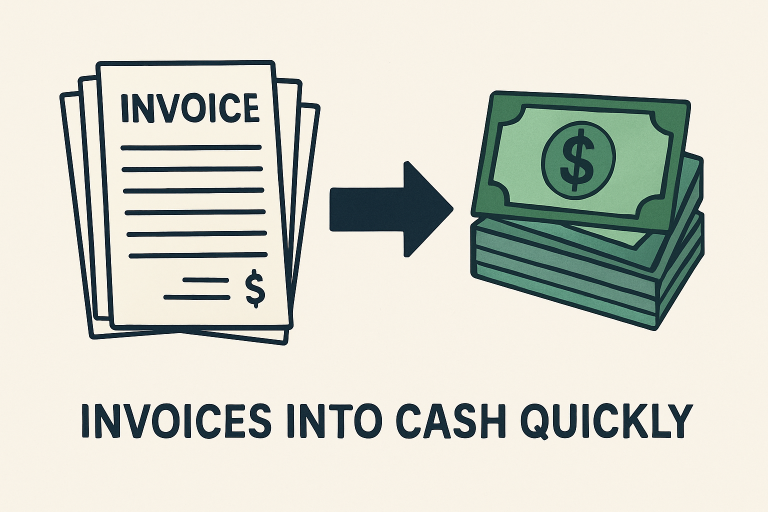
In today’s competitive market, businesses often face the challenge of waiting weeks or even months for customers to pay their invoices. This waiting period can strain cash flow, making it difficult to pay suppliers or invest in growth. Invoice finance offers a solution by unlocking the capital tied up in outstanding invoices, providing businesses with immediate access to a percentage of their invoice value from a finance provider. For Australian businesses, solutions like Australian invoice factoring can be especially impactful, offering prompt liquidity in industries where extended payment terms are common.
With invoice finance, companies can no longer rely solely on customer payment timelines. Instead, they are empowered to take control of their cash flow, ensuring consistency for everyday operations and strategic initiatives. This approach bridges the critical gap between delivering goods or services and receiving payment, allowing business owners to better plan for payroll, inventory purchases, and new opportunities.
Although invoice finance is most popular in fast-moving sectors like manufacturing, wholesale, and logistics, it has found widespread application across various industries. Its ability to provide quick access to working capital is a key driver of its adoption, particularly as more businesses look for alternatives to traditional bank loans.
Unlike conventional loans or credit lines, which often require collateral or extensive approvals, invoice finance utilizes accounts receivable as its primary asset. Funds are advanced rapidly, bypassing lengthy application processes and providing a flexible solution for fluctuating cash flow needs.
Types of Invoice Finance
There are two principal forms of invoice finance available to businesses, each suited to different operational preferences and needs:
- Invoice Factoring: With factoring, the financing provider buys the unpaid invoices and manages the collections process on the business’s behalf. This not only provides instant cash flow but also relieves businesses of the administrative burden of tracking payments and following up with customers—a significant benefit for teams with limited resources.
- Invoice Discounting: In contrast, invoice discounting enables businesses to maintain control over their customer relationships and collection processes. Companies use their outstanding invoices as collateral to access immediate funding, making it an ideal fit for those who want to maintain full client control and privacy regarding their financing arrangements.
Both models are designed to be scalable. As business turnover grows, the amount of funding available increases, enabling further expansion without the constraints of rigid lending limits.
Benefits of Invoice Finance
- Immediate Access to Cash: Rather than waiting 30, 60, or 90 days for invoice payment, businesses can receive up to 90% of the invoice value within 24 to 48 hours, which is crucial for covering operational costs in real-time.
- Improved Cash Flow Stability: Invoice finance converts accounts receivable into working capital, enabling the reliable management of fixed costs and alleviating the pressure of delayed payments.
- Flexibility and Scalability: The volume of available finance grows in line with sales, making it a responsive choice for businesses experiencing rapid change or seasonal fluctuations.
- Reduced Risk of Bad Debt: Some providers include credit control and bad debt protection as part of their service, minimizing the potential losses from customer insolvency or late payment issues.
The cumulative effect is a more robust and adaptable business model—one that can both withstand challenges and capitalize on opportunities as they arise.
How Invoice Finance Enhances Cash Flow
Access to locked-up capital turns accounts receivable into an active asset, enabling businesses to:
- Meet Operational Expenses: Companies can maintain timely payment of staff wages, rent, and ongoing supplier obligations, reducing the likelihood of disruptions.
- Seize Growth Opportunities: Immediate liquidity permits investment in new projects, additional stock, improved equipment, or expansion initiatives, regardless of when customer payments are due.
- Maintain Supplier Relationships: With improved cash flow, businesses pay suppliers promptly, often qualifying for early-payment discounts or negotiating better terms.
The ability to reliably cover expenses and capitalize on growth opportunities ensures businesses remain competitive, agile, and financially resilient.
Considerations Before Opting for Invoice Finance
- Cost: Financing fees typically range from 1% to 3% of the invoice value. Companies must evaluate whether the cash flow advantages exceed the costs over time.
- Customer Relationships: In the case of invoice factoring, the financing company may communicate directly with customers regarding payments, which could affect ongoing business relationships or brand perception.
- Eligibility: Providers generally assess both business performance and customer creditworthiness before approving invoices for finance, and not every invoice will qualify.
Taking these elements into account ensures that invoice finance aligns with overall business strategy and supports—rather than disrupts—customer service standards.
Final Thoughts
Invoice finance is revolutionizing the way businesses manage their cash flow in a world where delayed payments are a persistent challenge. By advancing cash against outstanding invoices, businesses can sustain operations, unlock new growth opportunities, and mitigate exposure to bad debt. When weighing the decision to implement invoice finance, it’s important to assess the overall impact on customer interactions, total cost, and eligibility. For companies seeking a strategic edge, invoice finance stands as a practical and increasingly essential tool for sustainable growth.