




Ensuring an HVAC system is installed and maintained correctly is one of the smartest investments a homeowner can make. With energy costs on the rise and indoor comfort a top priority, it’s crucial to understand the steps needed for a high-performing, long-lasting system. Homeowners who want flexibility and control can easily find modern options, such as DIY mini split online, opening up the possibility of efficient climate control without sacrificing quality.
Whether you are buying a new system, tackling seasonal maintenance, or planning energy-efficient upgrades, being informed can result in significant cost savings, improved indoor air quality, and a greatly extended system lifespan. Choosing the right components, scheduling routine upkeep, and recognizing common pitfalls can yield reliable comfort for years to come.
Proper HVAC care also helps reduce your carbon footprint, with modern equipment designed to operate efficiently and minimize waste. Consulting with professionals is equally important, ensuring that every installation and service step is handled with expertise, so your home stays comfortable in every season.
Learning about available products and maintenance routines also positions homeowners to make smarter choices and avoid expensive errors down the line. By following industry best practices, you can enjoy a system that delivers comfort, savings, and peace of mind.
Proper Sizing and Installation
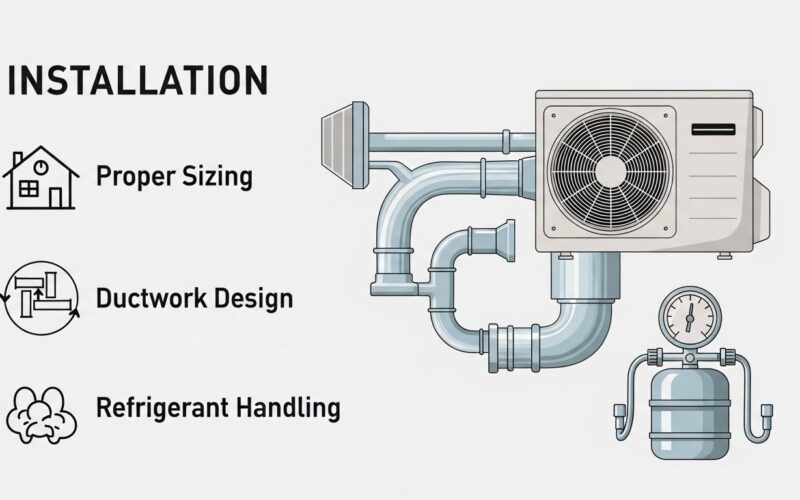
Correctly sizing a home HVAC system is one of the most critical steps in any installation. Oversized units often cause short cycling (rapid on-and-off cycles), which can wear out internal components and fail to dehumidify indoor air properly. Undersized systems, on the other hand, struggle to reach desired temperatures, pushing components to run excessively and leading to higher utility bills. To avoid these issues, have an HVAC professional perform a Manual J load calculation, which thoroughly accounts for the home’s square footage, insulation, window types, and regional climate.
Installation quality also matters just as much as sizing. All ductwork should be properly insulated and sealed to prevent air leaks that waste energy. Careful placement of both indoor and outdoor units ensures optimal performance and prevents unnecessary wear.
Regular Maintenance Tips
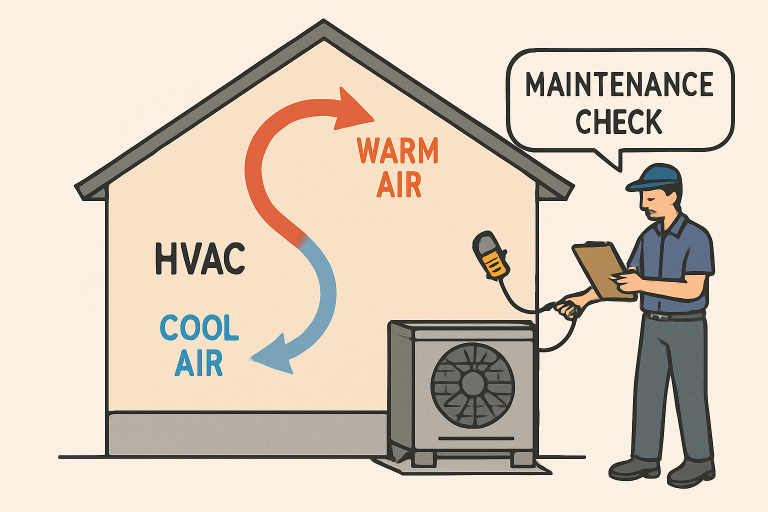
Maintaining your HVAC system is the foundation for reliable operation, energy savings, and healthy indoor air. One of the most straightforward practices is changing the air filter every one to three months, depending on local conditions and household occupancy. Clogged filters reduce airflow, forcing the system to work harder and use more power.
- Filter Replacement: Consistently swapping out dirty filters is the simplest and most effective action.
- Ductwork Inspection: Have your ducts inspected and cleaned annually. Duct leaks or build-up of dust and debris diminish system efficiency and can contribute to allergies.
- Outdoor Unit Care: Regularly check the outdoor component for leaves, twigs, and overgrown vegetation that might block airflow. Keeping a two-foot clearance around the unit is typically recommended.
Seasonal professional inspections can detect refrigerant leaks, assess the blower motor, and calibrate the thermostat. Proactive maintenance can save money in the long run by preventing small issues from escalating into expensive repairs.
Energy-Efficient Upgrades
Upgrading to more energy-efficient HVAC equipment is a smart move for both your wallet and the environment. Modern systems rated with high SEER (Seasonal Energy Efficiency Ratio) values deliver the same comfort with less power use. Smart thermostats and programmable controls further reduce costs by allowing you to tailor temperature schedules based on whether the home is occupied.
Retrofitting your existing system with energy-efficient components, such as variable-speed blowers or smart zoning systems, can enhance comfort and reduce consumption. Exploring available tax credits or rebates for high-efficiency equipment can also make the upgrade more affordable. The U.S. Department of Energy outlines rebates and incentives for homeowners making energy-conscious choices.
Common Installation Mistakes to Avoid
Avoiding repeatable installation errors is crucial to system longevity. The most significant missteps include:
- Incorrect Sizing: Underestimating or overestimating your home’s needs leads to inefficiency and additional wear.
- Improper Duct Sealing: Failing to seal duct joints properly can allow up to 30% of conditioned air to escape, undermining efficiency.
- Poor Thermostat Placement: Installing a thermostat near heat sources, in direct sunlight, or beside drafty doors results in inaccurate temperature readings and constant cycling.
Ensuring your contractor follows established best practices and industry standards helps prevent these costly mistakes and guarantees a more reliable home climate system.
Importance of Professional Services
While DIY solutions are increasingly popular and accessible, the expertise of licensed HVAC professionals remains invaluable. Certified technicians adhere to current codes, inspect for safety hazards, and perform precise load calculations. They can also provide tailored advice on equipment selection and setup to maximize system life and efficiency.
Homeowners should schedule professional maintenance at least once per year, ideally before the cooling and heating seasons, to identify potential risks and address minor issues. These proactive checkups often catch clogged drainage pipes, failing capacitors, or refrigerant shortages early, sparing you the stress and expense of emergency repairs.
Conclusion
Investing in the correct installation and routine maintenance of your home HVAC system pays dividends in comfort, health, and lower energy bills. By opting for modern equipment, adhering to proven care strategies, and prioritizing professional guidance, you will ensure sustained performance through every season. Keep these best practices in mind to enjoy efficient, cost-effective, and long-lasting home comfort year after year.