




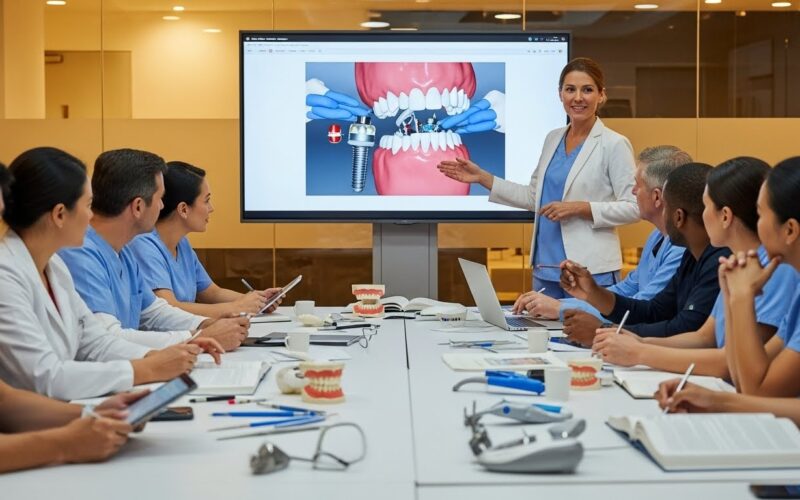
Modern dentistry is a dynamic, constantly evolving field that demands that clinicians stay up to date with the latest knowledge and best practices. Professional development through ongoing education is more than a regulatory requirement—it’s a commitment to outstanding patient care. Access to dental CE courses not only improves clinical competency but also fosters trust and satisfaction among patients, who increasingly expect their providers to deliver minimally invasive, highly effective dental solutions.
With the rapid pace at which new dental materials, digital workflows, and minimally invasive treatments are introduced, static knowledge quickly becomes obsolete. Dentists who regularly participate in training and educational events are better prepared to navigate clinical challenges, address patient concerns, and remain leaders in a competitive field.
Hands-On Training: Bridging Theory and Practice
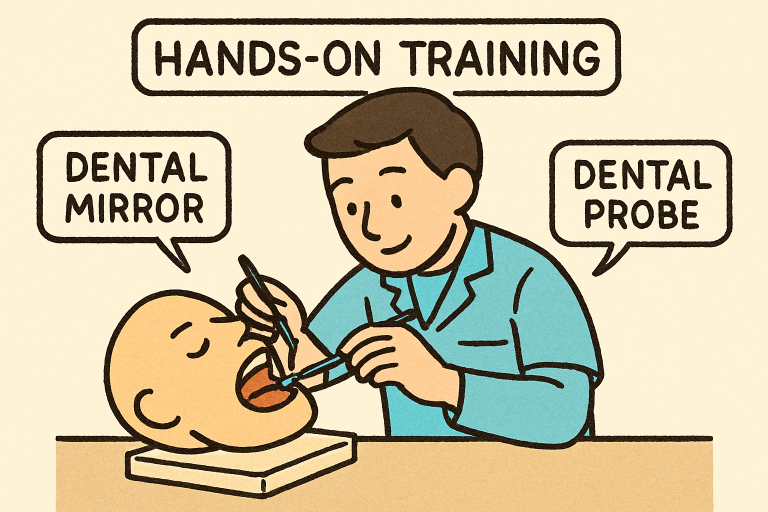
Foundational understanding through textbooks and lectures is indispensable, but genuine expertise in dentistry is forged in hands-on environments. Simulation-based training immerses practitioners in lifelike scenarios where they must use real medical equipment to manage medical emergencies or complex clinical situations. These exercises not only build muscle memory but also reinforce decision-making skills, ensuring that practitioners are confident and well-prepared in real emergencies. Interactive courses offer a valuable opportunity for immediate feedback and guidance. Such practical experience is pivotal for mastering advanced procedures, such as dental implants or laser dentistry.
Incorporating Informal Learning into Professional Development
Beyond structured courses, informal learning—through peer collaboration, mentorship, and case discussion groups—plays an essential role in bridging the gap between academic study and real-world application. Hybrid social learning environments, where professionals share challenges and solutions, enable practitioners to rapidly adapt to new protocols and technologies, especially when tackling unique patient cases.
Dentists who regularly engage in professional forums, webinars, and specialty group meetings often report greater confidence and a deeper, practical understanding of recent advances. This culture of informal knowledge exchange complements formal education, ensuring comprehensive and adaptive professional growth.
Staying Ahead of Emerging Dental Trends
The dentistry landscape is experiencing significant shifts, from the rise of cosmetic procedures on social media—often offered by unlicensed providers and raising significant safety concerns—to the integration of state-of-the-art digital workflows. Dental professionals must continuously educate themselves on these trends to protect patient well-being and uphold their profession’s integrity. By being proactive and discussing the potential risks and benefits with their patients, dental professionals can reinforce trust and combat misinformation.
Cutting-edge tools such as artificial intelligence-powered smile design and 3D printing are revolutionizing diagnosis and treatment. Staying current on innovations not only enhances clinical capabilities but also differentiates practices and leads to better patient outcomes.
Leveraging Technology for Enhanced Learning
Advanced educational platforms powered by AI and robotics are democratizing access to high-quality dental training. These systems provide detailed, real-time analysis and feedback, allowing dental professionals to continue their education without sacrificing valuable clinic time. The flexibility and scalability of these digital resources make ongoing education more accessible, particularly for practitioners in rural and underserved areas who might otherwise face significant barriers to learning opportunities.
Remote learning tools, interactive digital workbooks, and on-demand video libraries are now standard in many dental training programs. These technologies not only accommodate different learning styles but also contribute to more consistent and measurable skills development across the profession.
Conclusion
Continuous education and immersive training are the bedrock of progress in dental practice. Through active engagement in both formal and informal learning, commitment to emerging trends, the utilization of innovative education technologies, and vigilant adherence to CE standards, dental professionals are equipped to deliver exceptional care and thrive in an ever-changing healthcare environment. Embracing lifelong learning truly sets the foundation for success and leadership in dentistry. Moreover, staying current with the latest research and clinical techniques allows practitioners to make evidence-based decisions that improve patient outcomes. Networking with peers and mentors through conferences and workshops fosters collaboration and the sharing of knowledge. Ultimately, this culture of continuous growth not only enhances professional expertise but also reinforces trust and confidence among patients.