




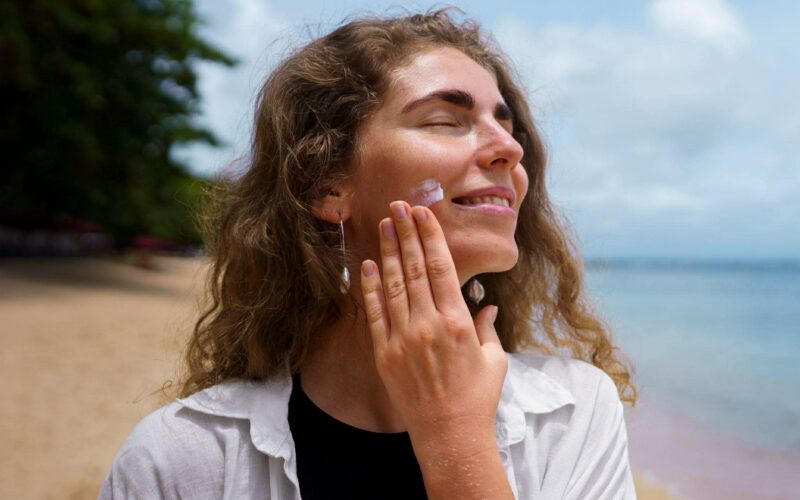
Many Australians in their 30s, 40s and 50s share a quiet, sun-damaged regret. We grew up in a land of endless blue skies and golden beaches, chasing waves, playing weekend cricket, or simply soaking up the rays without a second thought for protection. Sunscreen felt optional, hats were for old people, and the Slip Slop Slap message often went straight over our freckled heads.
Now, as adults, the mirror tells a different story. Fine lines have etched deeper. Patches of roughness refuse to smooth out. And those stubborn brown spots linger like unwelcome souvenirs. The good news? While the carefree years cannot be erased, today’s skincare advances can dramatically improve what years of UV exposure left behind. Repair is real, and it begins with facing the full picture of the damage.
The Deeper Damage
Sun damage runs far deeper than the visible spots and pigmentation that catch our eye each morning. It forms a hidden ‘field’ of subclinical changes across entire areas of skin, even where the surface looks relatively clear.
Decades of unprotected UV exposure silently dismantle the dermis. Rays penetrate and shatter collagen and elastin, the very proteins that give skin its bounce and firmness. The breakdown happens gradually, almost unnoticed at first. Then one day the texture turns rough and leathery. Deep wrinkles settle in around the eyes and mouth. Actinic keratoses appear as scaly, precancerous patches on the face, arms, chest or scalp.
In Australia’s fierce sunlight, this pattern feels almost universal among fair-skinned adults. We spent our youth outdoors, tanned and carefree. Now, many of us notice the skin looking tired, uneven and older than our actual age. Makeup sits awkwardly on the uneven surface. Confidence dips when summer clothes reveal sun-damaged arms. Yet recognising this full scope of damage is important. It shifts the conversation from helpless acceptance to active restoration.
The past cannot be changed, but our skin’s future can.
Revolutionary Repair Through Advanced Laser Technology
Thankfully, we no longer have to accept sun damage as permanent. Modern dermatology offers targeted solutions that reach deep and rebuild from within.
One standout option is the fractional co2 laser, the gold standard for reversing chronic sun damage. Unlike older lasers that treated the whole skin surface in one aggressive pass, this approach works smarter. It delivers energy through microscopic columns, treating only a fraction of the tissue while leaving surrounding healthy skin completely untouched.
This precision means faster healing, usually just days of redness instead of weeks of raw recovery. Inside those tiny columns, the laser vaporises damaged cells and sparks an intense biological response. Fresh collagen floods the area. Elastin fibres reorganise. Over the following months, the skin remodels itself from the inside out. Texture smooths. Wrinkles soften noticeably. Solar keratoses often fade or disappear entirely.
Many patients describe the change as looking like a refreshed, more youthful version of themselves rather than an obvious procedure. Results build naturally and last for years with proper care. Of course, individual outcomes depend on skin type and the extent of prior damage, so a personalised consultation matters. Still, the transformation can feel like turning back the clock on years of Australian summers.
Prevention: Protecting Your Skin for the Future
Repair delivers real results, but those gains only endure when paired with strong daily protection. The two must work together. Without it, new UV exposure simply adds to the ‘field’ of damage all over again. A high-quality SPF 50+ routine becomes non-negotiable.
Choose a broad-spectrum formula you actually enjoy wearing so it never gets skipped. Apply it every single morning as the last step in your skincare, and top it up every two hours outdoors.
Yet sunscreen alone is not enough. Regular professional skin checks remain vital too. They catch any spots that may have developed from damage toward something more serious, such as skin cancer. Australia’s high melanoma rates make this vigilance lifesaving rather than optional.
To build an effective prevention strategy, here are some daily habits:
- Apply a high-quality SPF 50+ generously every morning as your first line of defence, rain or shine
- Reapply every two hours during any outdoor time, especially between 10 am and 4 pm
- Seek shade or head indoors during peak UV hours instead of pushing through
- Layer on wide-brimmed hats, long-sleeved UPF clothing and wraparound sunglasses for extra barriers
- Book annual professional skin checks while doing quick monthly self exams at home using the ABCDE rule for changing moles.
These steps are straightforward once they become routine. Sun regret may be woven into the Australian experience, but it does not have to dictate the next chapter.