




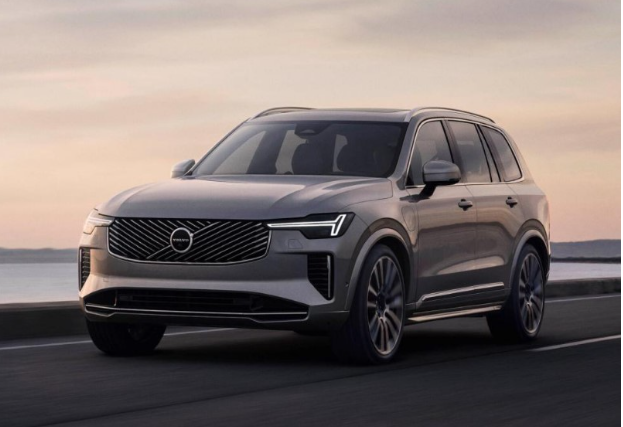
So many different hybrids have appeared on the car market that even seasoned drivers are starting to get confused. It might look like a regular car, but under the hood, there’s both a gasoline engine and an electric motor. Florida dealerships offer an impressive selection of advanced models, as well as a wealth of used hybrid vehicles in Jax car lots like Autoland Jacksonville.
Moreover, there are at least three powertrain configurations to consider. Recently, automakers have introduced mild hybrids as well as plug-in models. To avoid getting lost in all this terminology, let’s look at some of the key features of modern hybrid cars.
What types of hybrid cars are there?
First, remember that top hybrid cars typically use both an internal combustion engine (ICE) and an electric motor. Often, the gasoline engine serves a supporting role – it can charge the traction battery or act as a generator rather than driving the wheels directly.
There are several categories of hybrid cars:
- Series hybrids – This is the classic option. The gasoline engine does not drive the wheels; instead, it charges the battery, while electric motors propel the car. The engine acts as a generator and uses very little fuel. The driving range of these vehicles often exceeds 620 miles.
- Plug-in hybrids (PHEVs) can operate on both electricity and an internal combustion engine. Almost all models allow their traction batteries to be charged from a household outlet. (Note that series hybrids typically lack this feature.) The benefit here is versatility- you can drive short daily commutes in pure electric mode and switch to gasoline for longer trips.
- Parallel hybrids – This design uses both engines simultaneously. The wheels are powered by the internal combustion engine and the electric motor. The electronics automatically decide when the car can run on electric power alone to save fuel. Typically, this applies to short distances of 6 to 60 miles. Because the traction battery has a smaller capacity, you cannot rely solely on electric power for very long.
Mild hybrids deserve special attention. Essentially, this category is more of a marketing trick by car manufacturers. Under the hood is a conventional gasoline engine paired with a compact starter-generator that provides a slight boost during acceleration and functions as a generator. However, it doesn’t power the wheels directly.
Which option is right for you?
Hybrid cars are great because they don’t rely entirely on battery power. When choosing a model, think about how and where you drive. For example, if you want maximum range with minimal fuel use, opt for a series hybrid, which typically delivers 620 to 930 miles per tank, with fuel economy around 47–59 miles per gallon and output of 150 to 300 horsepower, depending on the model.
A plug-in hybrid is another excellent choice, offering flexibility for both short daily drives and longer journeys. However, keep in mind that these models typically have slightly higher fuel consumption.
Parallel hybrids, while efficient, can present maintenance challenges. Their complex powertrains and tightly integrated ICE systems often require expert technicians for repairs.
In general, whichever type you choose, hybrid cars bring smart engineering and eco-conscious efficiency – proof that innovation doesn’t have to compromise performance.