




The Rise of Online Beauty Sales
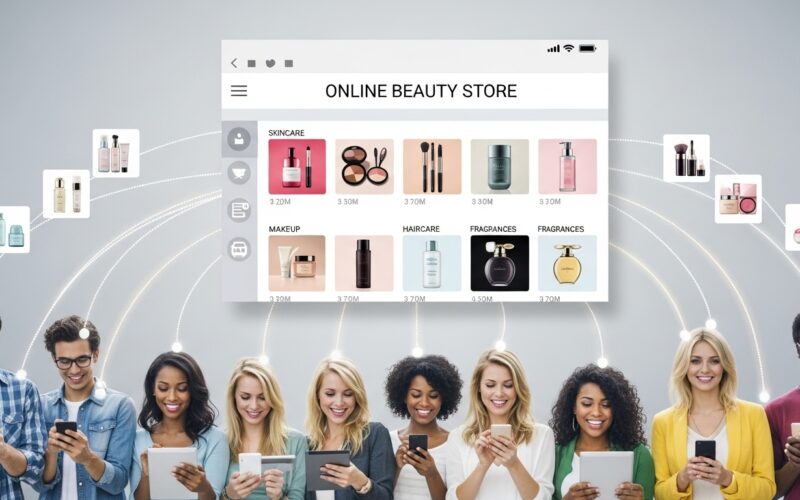
The beauty industry is experiencing a digital revolution, with online shopping rapidly capturing a growing share of the market. As convenience becomes a top priority for shoppers, consumers increasingly shop online for beauty products to explore new brands and access a wider variety of products than ever before. Recent reports show that e-commerce now accounts for nearly half of beauty product sales in key markets, signaling a monumental shift in how customers discover and purchase their favorite products.
Shoppers can now explore global selections, read real-time reviews, and compare prices online, reflecting a shift in beauty retail towards convenience and personalization. Digital storefronts offer 24/7 access, aligning with consumer expectations for immediate gratification. Social proof from beauty creators and online communities now guides purchase decisions, replacing reliance on in-store advice. This digital transformation has allowed emerging brands to enter the market swiftly, encouraging innovation and adaptation to trends. E-commerce and social media platforms like TikTok and Instagram have changed how shoppers interact with beauty brands, serving as vibrant hubs for product discovery and community engagement.
Social Commerce: The New Beauty Counter
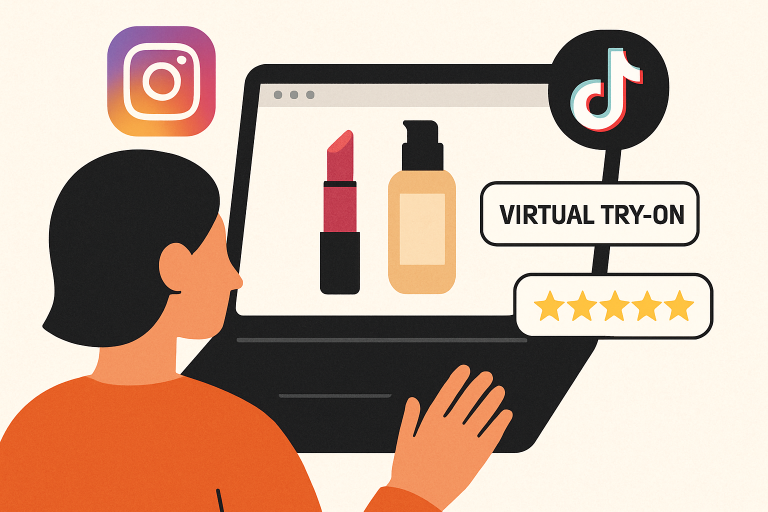
Social media platforms have revolutionized how shoppers interact with beauty brands, making them lively hubs for community-driven product discovery and purchase. Platforms like TikTok and Instagram have become the modern beauty counters, enabling users to see products in action, view tutorials just before clicking “buy,” and interact directly with trusted influencers and brands.
TikTok, in particular, stands out as a leader in beauty retail innovation. Its e-commerce integrations make “see now, shop now” not just a slogan, but a reality, placing new and buzzy products just a tap away. The result is a seamless blend of entertainment, education, and retail whose impact on beauty sales is both immediate and enduring. Social commerce is rapidly disrupting traditional business models, particularly in sectors like beauty, where engagement and creativity drive decision-making.
Technological Innovations Enhancing Online Shopping
Digital technology is not just facilitating online purchases; it’s transforming them into engaging, interactive events. Innovations such as AI-powered shade matching and AR-driven virtual try-ons are closing the gap between the digital and physical buying experiences. With these tools, brands empower customers to test lipstick, foundation, or eyeshadow online, so they can see exactly how each product will look on their unique skin tones before purchasing.
This level of personalization helps minimize customer hesitation and reduces product returns, while also catering to the modern demand for individualized solutions. Additionally, AI-driven product recommendations further refine the shopping journey, making it easier to discover new favorites based on browsing history and preferences.
The Emergence of Direct-to-Consumer Brands
Direct-to-consumer (DTC) brands are among the largest beneficiaries of the online beauty boom. By going digital-first, these companies bypass traditional retail middlemen, offering better prices, exclusive collections, and true personalization. Leading DTC brands such as Glossier and The Ordinary have used their online presence not just to sell, but to cultivate loyal communities engaged in constant feedback and co-creation.
Frequent digital product drops, interactive marketing campaigns, and creative use of social media all help DTC brands thrive in a dynamic, community-driven climate. The speed and agility with which they operate have set a new industry standard for authenticity, transparency, and adaptability.
Adapting Brick-and-Mortar Stores
Traditional brick-and-mortar beauty stores are evolving quickly to stay competitive in this new landscape. Many are incorporating digital features, such as in-store tablets, virtual try-on stations, and digital loyalty programs, to blend the convenience of online shopping with the hands-on experience of in-person product testing.
Some retailers are reimagining their in-store experiences entirely, introducing events, exclusive product launches, and experiential elements that can’t be replicated online. This omnichannel strategy ensures that physical locations remain relevant by offering value that complements digital convenience.
Consumer Behavior and Preferences
Modern beauty consumers are resourceful and tech-savvy. They research meticulously, leveraging online reviews, how-to videos, and influencer endorsements before making a purchase. Personalized shopping journeys, direct engagement through social channels, and access to a vast array of choices are now key drivers of decision-making.
Brands must therefore maintain engaging and responsive online presences, using digital storytelling and two-way communication to build trust and loyalty over time. The increasing use of virtual try-on technology and AI chatbots further enhances consumer confidence and satisfaction by answering questions and resolving concerns instantly.
Challenges and Opportunities
The acceleration of online shopping introduces new complexities around authenticity, data privacy, and digital saturation. Beauty brands must work harder to ensure product claims and reviews are trustworthy while investing in secure, seamless e-commerce operations that can meet rising consumer expectations.
For nimble brands, these challenges also represent opportunities to expand into international markets, engage more diverse audiences, and access rich data that can drive future innovation. The winning formula combines technology, transparency, and genuine connection to create tailored experiences at scale.
Conclusion
The future of beauty retail is unmistakably digital-first, defined by seamless integration between online discovery and in-person experience. As technology and social influence reshape the landscape, beauty brands that prioritize convenience, personalization, and authentic engagement will thrive. For shoppers, the power to connect, discover, and experiment is greater than ever, ushering in a new era where clicks lead not just to purchases, but to meaningful connections and transformative experiences.