




Efficient fluid movement is the backbone of countless industrial processes, making high-performance pumping solutions a crucial investment for any operation. Among the available choices, rotary gear pumps have established themselves as industry standards due to their robust design and consistent results. By harnessing the meshing action of gears, these pumps offer a steady and controlled method for transporting a diverse range of fluids. Companies seeking reliability and minimal downtime often look to the C&B Equipment Roper gear pump for seamless integration into their systems.
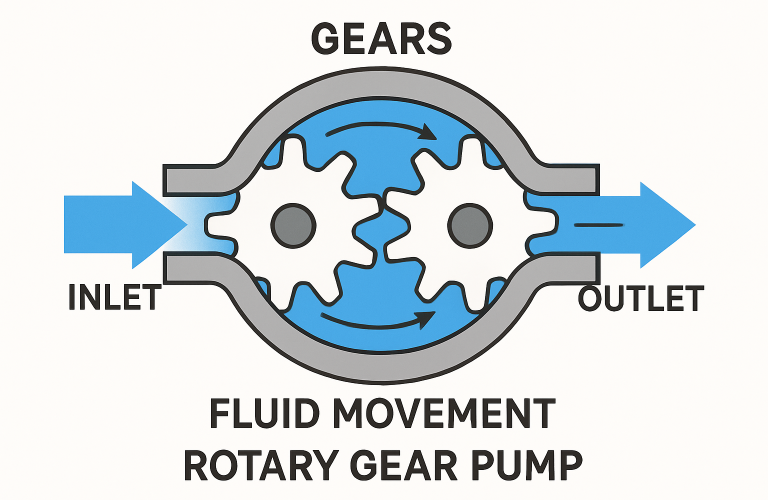
Rotary gear pumps use a straightforward yet effective mechanism: as their gears rotate, they create a partial vacuum that draws fluid in, efficiently moving it through the system to the outlet port. This positive displacement action not only ensures a constant flow, irrespective of system pressure, but also gives operators tighter control over throughput. In industries where fluid consistency is critical, such as chemical manufacturing or lubrication systems in heavy machinery, this dependable performance becomes invaluable.
Another notable advantage of rotary gear pumps is their simple, compact design. Typically engineered to occupy minimal space, they can be retrofitted or incorporated into complex systems without requiring costly modifications. Their ability to self-prime, even under adverse conditions, further enhances their reliability, reducing both manual intervention and potential for operational interruptions.
From light oils to more viscous materials, the adaptability of rotary gear pumps allows them to perform across a broad range of industrial applications. Their enclosed gear system and precision construction minimize leakage and loss, which is especially important in processes where every drop counts.
Industry leaders typically assess how pumping solutions integrate into broader system architectures and sustainability mandates. For additional guidance on industrial pump choices and best practices, refer to the resources offered by Engineering.com, a well-regarded publication in the field.
Key Advantages of Rotary Gear Pumps
- High Efficiency: With operational efficiencies often surpassing 80%, rotary gear pumps directly contribute to energy conservation and cost savings. Their ability to deliver consistent output even during variable flow conditions lowers system wear and long-term maintenance expenses.
- Versatility: These pumps are well-suited for handling a broad spectrum of fluids, including corrosive chemicals, food-grade liquids, and petroleum products, making them staples in industries ranging from food and beverage to pharmaceuticals.
- Compact Design: The small footprint of rotary gear pumps means easier installation and upgrades. Facilities seeking to reduce overhead or integrate into tight spaces find this aspect particularly advantageous.
- Self-Priming Capability: Rotary gear pumps can automatically prime themselves, significantly reducing operational delays associated with startup procedures and manual intervention.
Applications Across Industries
The versatility and dependability of rotary gear pumps ensure they play vital roles in multiple industrial sectors:
- Chemical Processing: Owing to their material compatibility and robust build, rotary gear pumps efficiently transfer abrasive, corrosive, and viscous liquids required for chemical synthesis and processing.
- Food and Beverage: These pumps can be crafted using sanitary materials, supporting hygienic fluid transfer while complying with stringent industry regulations.
- Oil and Gas: Rotary gear pumps are indispensable for moving lubricants, fuel oils, and other hydrocarbon-based products, thereby helping to optimize extraction, refining, and processing workflows.
- Pharmaceuticals: The precise, pulse-free flow of rotary gear pumps meets the rigorous standards necessary for active ingredient mixing and solution formulation.
Enhancing Sustainability in Industrial Operations
Integrating rotary gear pumps into manufacturing and processing environments offers tangible sustainability benefits. By maximizing operational efficiency, these pumps help facilities reduce their carbon footprints—particularly when used in systems designed to recycle fluids or handle alternative, less environmentally harmful substances. Their resilient engineering results in fewer maintenance interventions, less frequent replacements, and a notable reduction in waste. As manufacturing operations increasingly target net-zero emissions and resource conservation, the role of energy-efficient technologies, including rotary gear pumps, becomes ever more pronounced. For a broader discussion of industrial sustainability trends, visit Forbes.
Market Trends and Future Outlook
The demand for rotary gear pumps is on a steady upward trajectory, projected to push the global gear pump market to US$15.40 billion by 2031 with a CAGR of nearly 5%. Driving this expansion is the growing focus on industrial automation, which requires fluid handling equipment capable of smart integration and remote monitoring. As Industry 4.0 adoption spreads, IoT-enabled rotary gear pumps—with real-time diagnostics, predictive maintenance features, and adaptive flow controls—are transforming how facilities manage productivity and asset longevity.
The future will also see greater emphasis on customization and modularity, with pump manufacturers offering tailored solutions for specific operational requirements, from hazardous chemical environments to ultra-hygienic applications. This ensures that as regulations evolve and industries diversify, rotary gear pump technology remains both relevant and indispensable to fluid management strategies.
Conclusion
Rotary gear pumps distinguish themselves through high efficiency, adaptability, and operational reliability. Their integration supports both immediate and long-term industrial efficiency, positioning them as central components in fluid handling advancements. As innovation in automation, sustainability, and digital monitoring accelerates, rotary gear pumps will continue to drive progress across manufacturing, processing, and energy sectors globally.