




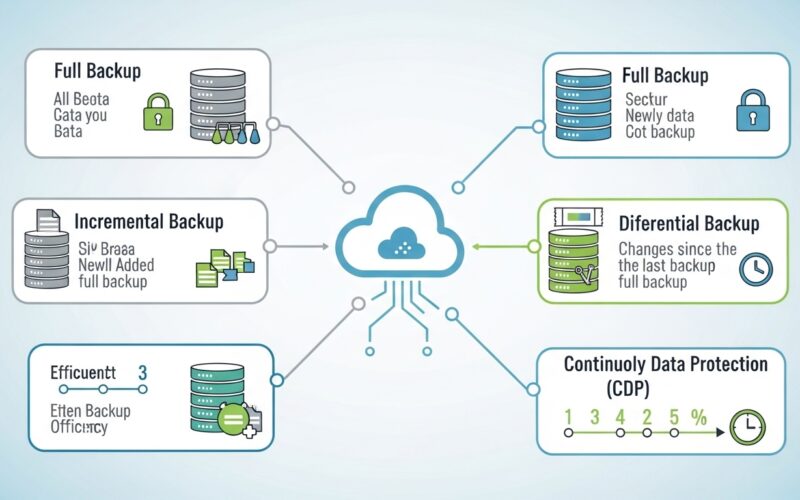
In today’s digital-first environment, protecting your organization’s data isn’t just a technical task; it’s a core business priority. With cyber threats, accidental deletions, and system failures constantly endangering data, the need for strong backup solutions has never been more critical. Businesses of every size are seeking ways to ensure their critical information is always protected and accessible. Leveraging modern data backup and recovery services is essential to safeguard assets and maintain business resilience.
Cloud-based backup solutions have emerged as the cornerstone of contemporary data protection strategies. By eliminating reliance on traditional, physical backup media and offering advantages such as real-time scalability and accessibility, cloud technologies empower organizations to keep pace with evolving data protection demands while optimizing storage costs and minimizing recovery times.
Understanding Cloud-Based Backup Solutions
Cloud-based backup refers to the process of sending copies of data from your primary storage to remote, cloud-hosted repositories accessible via the internet. The chief benefit of this approach is its inherent flexibility; cloud storage adapts dynamically to your organization’s growth without the need for continual hardware investments. This allows businesses to seamlessly handle fluctuating storage requirements while leveraging the cloud provider’s advanced infrastructure and built-in security layers.
In addition, cloud backups deliver exceptional accessibility. Authorized users can quickly recover data from virtually anywhere, reducing downtime and preventing data loss from impacting ongoing operations. Businesses adopting cloud strategies often benefit from automated, incremental backups, which further streamline data protection and minimize the risk of human error.
For organizations aiming to maximize their cloud strategy, it is important to select a backup provider that offers robust encryption, flexible storage options, and reliable disaster recovery. Given the criticality of security and uptime, businesses should scrutinize service-level agreements (SLAs) to ensure uninterrupted access in the event of an emergency.
Implementing the 3-2-1 Backup Rule
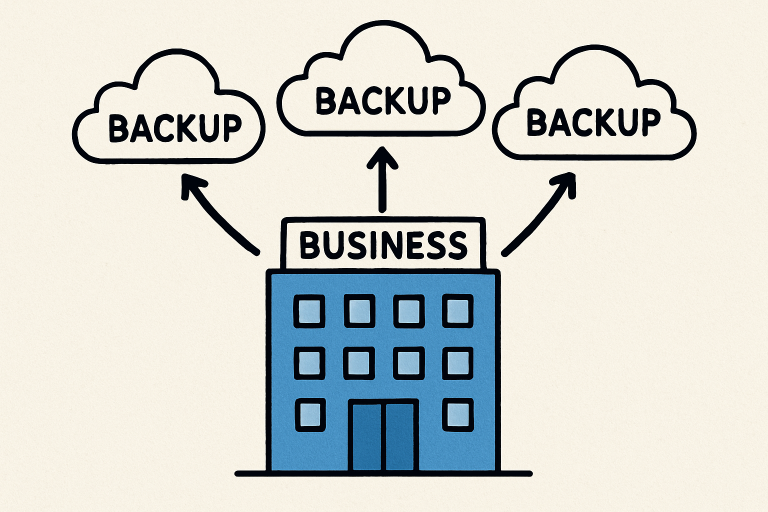
A best practice in data protection is following the 3-2-1 backup rule, which provides a framework for building resilience against data loss:
- Three copies of data: Always maintain the original data and at least two backups.
- Two different storage media: Keep backups on disparate types of storage, for example, combine on-premises servers with cloud-based storage.
- One off-site copy: Store a copy at a remote or cloud location to safeguard against physical disaster, site loss, or localized breaches.
Utilizing this rule reduces the risk of data loss from any single point of failure, substantially increasing overall data integrity and security. For industries with significant regulatory oversight, such as healthcare or finance, strict adherence to this methodology is not only a best practice but also often a compliance requirement.
Regular Testing and Validation
Setting up strong backup solutions is only part of the process; ongoing verification and testing are essential to ensure reliable data restoration. Many businesses find that during a crisis, their backup systems are incomplete or malfunctioning, leaving critical gaps. Regularly scheduled recovery tests, preferably automated, confirm that your backups are uncorrupted, accessible, and can be restored within specified timelines.
Automated testing solutions offer detailed insights and reports, helping IT teams identify and address vulnerabilities before they become significant risks. Continuous validation helps businesses avoid costly downtime and ensures rapid recovery, regardless of the incident’s source.
Ensuring Compliance with Data Protection Regulations
Compliance with legal and industry regulations, such as GDPR, HIPAA, and CCPA, is essential to avoid penalties and maintain customer trust. Effective cloud backup strategies should include end-to-end encryption (both in transit and at rest), detailed access controls, audit logs, and retention policies that meet regulatory standards. Regularly reviewing and updating these strategies helps maintain compliance and security. It is also important for organizations to train staff on data protection best practices to prevent accidental breaches and ensure everyone understands their responsibilities in safeguarding data. Furthermore, selecting a reputable provider with proven compliance certifications and a transparent approach to data residency and sovereignty is crucial.
Leveraging Multi-Cloud and Hybrid Environments
To enhance data security, businesses frequently employ hybrid and multi-cloud strategies. This involves distributing backups across various providers or combining on-premises solutions with cloud-based services. Such an approach helps prevent vendor lock-in, allows for the best storage options for different workloads, and increases redundancy to guard against outages specific to any one provider.
By integrating different solutions, organizations can optimize their performance, manage costs, ensure compliance, and adapt their infrastructure as their needs or risks evolve.
Implementing Zero-Trust Security Models
A zero-trust security framework operates under the principle that all users, devices, and connections may pose a threat, regardless of whether they are inside or outside the corporate perimeter. In the context of backup and recovery, zero-trust means implementing continuous authentication, detailed access controls, and ongoing monitoring of both backup data and administrative activities.
By integrating zero-trust principles, any attempt to access or manipulate backup files is rigorously examined, helping minimize the potential damage from compromised credentials or insider threats. Adopting zero-trust strategies aligns with modern security recommendations and is essential in today’s evolving threat landscape.
Conclusion
Adopting comprehensive cloud-based data backup strategies is essential for today’s organizations to protect against data loss, maintain legal compliance, and achieve operational continuity. By embracing best practices such as the 3-2-1 backup rule, frequent validation of backup processes, compliance readiness, hybrid architectures, and zero-trust security, businesses build a resilient, future-proof data management framework that supports business growth and innovation.