




When the temperature drops, ensuring your home stays warm without skyrocketing energy bills becomes a priority for every homeowner. By leveraging trusted advice and implementing targeted improvements, you can make your household more comfortable and efficient throughout the year. One of the fastest ways to boost your home’s heating performance involves focusing on problem areas and making a few updates, which can pay off quickly for both your wallet and well-being. For those in New Jersey facing persistent heating challenges, Heating Repair in Red Bank, NJ, offers professional solutions and peace of mind.
These actionable strategies, when implemented thoughtfully, not only increase the efficiency of your existing heating system but can also extend its life—helping you enjoy cozy winters while reducing your environmental impact. Let’s explore the most effective ways to enhance your comfort and conserve energy.
Seal Air Leaks
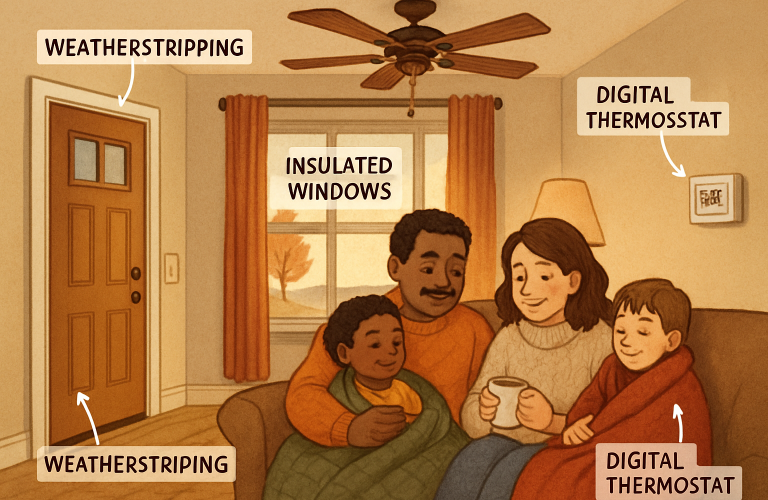
Gaps around window frames, doorways, and utility penetrations act as open invitations for cold air to enter and warm air to escape. According to the U.S. Department of Energy, air leaks can account for up to 30% of a home’s heating energy loss. By applying weatherstripping and caulk to these areas, you can prevent costly drafts and create a more consistent indoor climate. Sealing leaks is one of the most affordable ways to make a tangible impact on your heating bills, and it often pays for itself within a single season.
Upgrade Insulation
Insulation acts as your home’s thermal barrier. If your attic, walls, or floors lack sufficient material, you could be losing a significant amount of heat. Adding or upgrading insulation is a smart investment—properly insulated homes require less energy to maintain comfortable temperatures. The Environmental Protection Agency estimates homeowners can save an average of 15% on heating and cooling costs by air sealing and insulating their homes, making this one of the most effective improvements you can make.
Maintain Heating Systems
Keeping your heating system in good working order is essential for both efficiency and longevity. Check and replace air filters at least monthly during peak heating months to maintain strong airflow and reduce system strain. Annual professional servicing can detect minor issues before they become significant problems, ensuring your system operates at peak performance. Regular maintenance not only enhances efficiency but can also prevent emergency breakdowns during the coldest days of winter.
Install a Programmable Thermostat
A programmable thermostat offers precise control over your home’s temperature, allowing you to automatically reduce heating at times when it’s least needed—such as when everyone is sleeping or away from home. According to The New York Times, using a correctly set programmable thermostat can help save around 10–12% on annual heating costs. Not only does this mean a lower utility bill, but it also promotes more sustainable energy usage.
Utilize Energy-Efficient Windows
Windows are a significant source of heat loss, but upgrading to double-paned or ENERGY STAR®-certified windows can help retain warmth more effectively. Even simple practices—such as closing drapes at night and opening them on sunny days—make a noticeable difference. When selecting curtains, look for thermal or insulated varieties for added protection against wintry drafts. Leveraging your windows strategically can reduce the burden on your heating system while providing free, natural warmth.
Optimize Fireplace Use
Fireplaces add ambiance and supplementary heat, but they can also act as a major escape route for warm air. Always keep the damper closed when the fireplace isn’t in use. For a more airtight seal, consider installing a fireplace balloon or chimney plug. According to Consumer Reports, just closing the damper can save up to 8% on your home’s heating costs if you use your fireplace sparingly.
Use Ceiling Fans Strategically
Ceiling fans aren’t just for summer. By switching them to spin clockwise at a low speed during the winter, you’ll push rising warm air back down to the living spaces—resulting in a cozier environment with less strain on your furnace or heat pump. This trick works especially well in rooms with exceptionally high ceilings, and it’s a low-cost upgrade that makes a measurable difference in comfort.
Consider Energy-Efficient Heating Equipment
If your current heating equipment is more than 15–20 years old, it might be time to explore modern, energy-efficient options. Systems like ENERGY STAR-qualified furnaces, boilers, and heat pumps are designed to maximize output while minimizing fuel consumption. Many of these units can reduce heating costs by up to 50% compared to older models, while also providing improved indoor comfort and enhanced air quality.
Improving your home’s heating efficiency requires a balanced approach that blends regular system maintenance, strategic upgrades, and mindful everyday practices. Scheduling routine inspections helps catch issues early, while upgrading insulation, thermostats, or aging equipment can significantly boost performance. Simple habits, such as sealing drafts and using programmable settings, further reduce energy waste. By focusing your time and budget on the areas that deliver the most significant impact, you can enjoy lower energy bills, fewer unexpected repairs, and a consistently comfortable, welcoming home during the coldest months of winter.